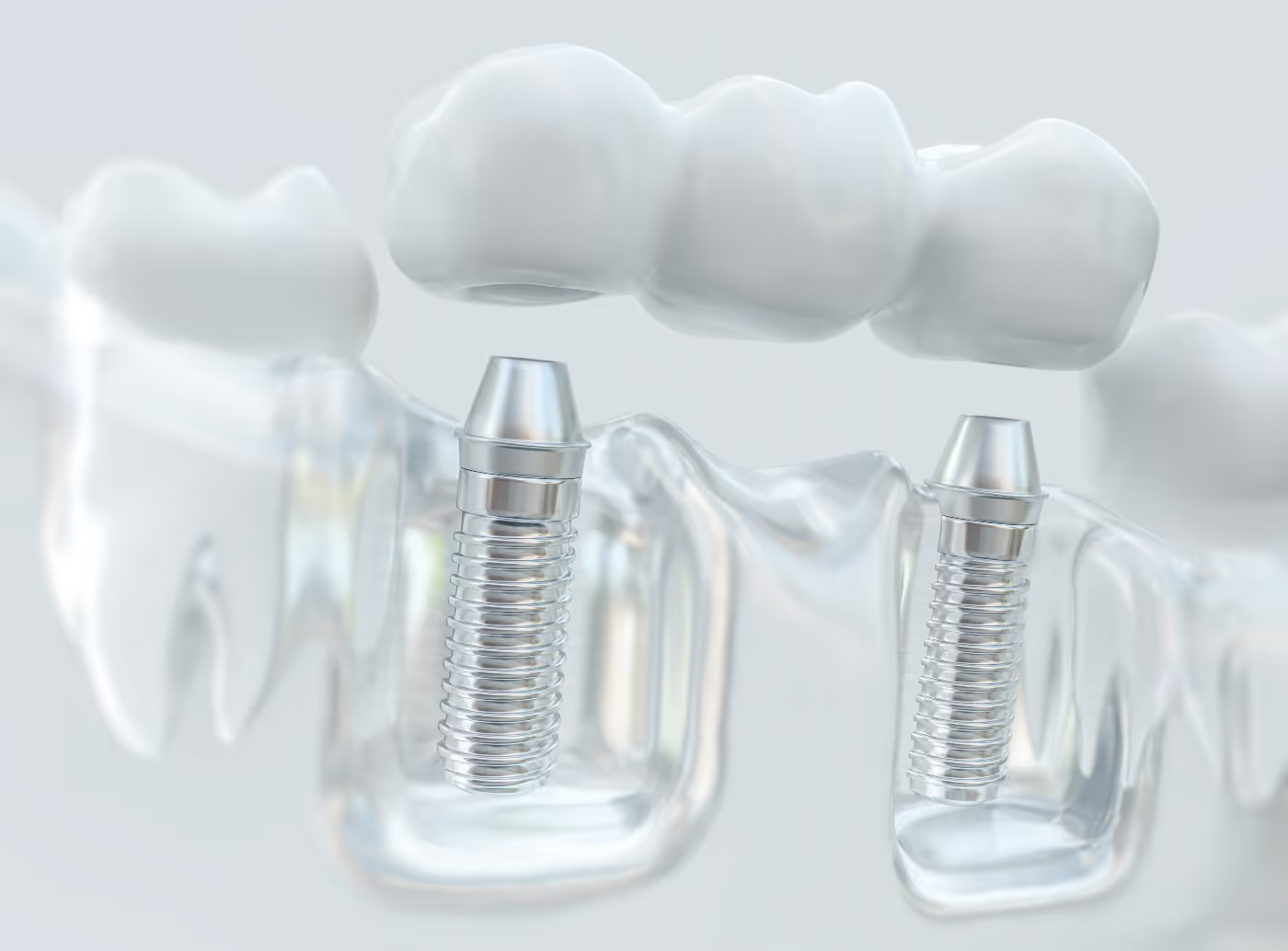
Being told you don't have enough jawbone for a dental implant can feel like the door just closed. It hasn't. Bone loss after a tooth is lost, from gum disease, or from years of wearing a denture is common, and a bone graft can rebuild that support. At Locklear Dentistry, Dr. Locklear uses bone grafting to protect extraction sites and prepare your jaw for implants that are built to last.


Did you know…

After a tooth is removed, the jawbone in that spot can shrink noticeably within the first few months. Placing a graft at the time of extraction helps hold that space for a future implant.

The Benefits of Bone Grafting in Greensboro
Makes Implants Possible
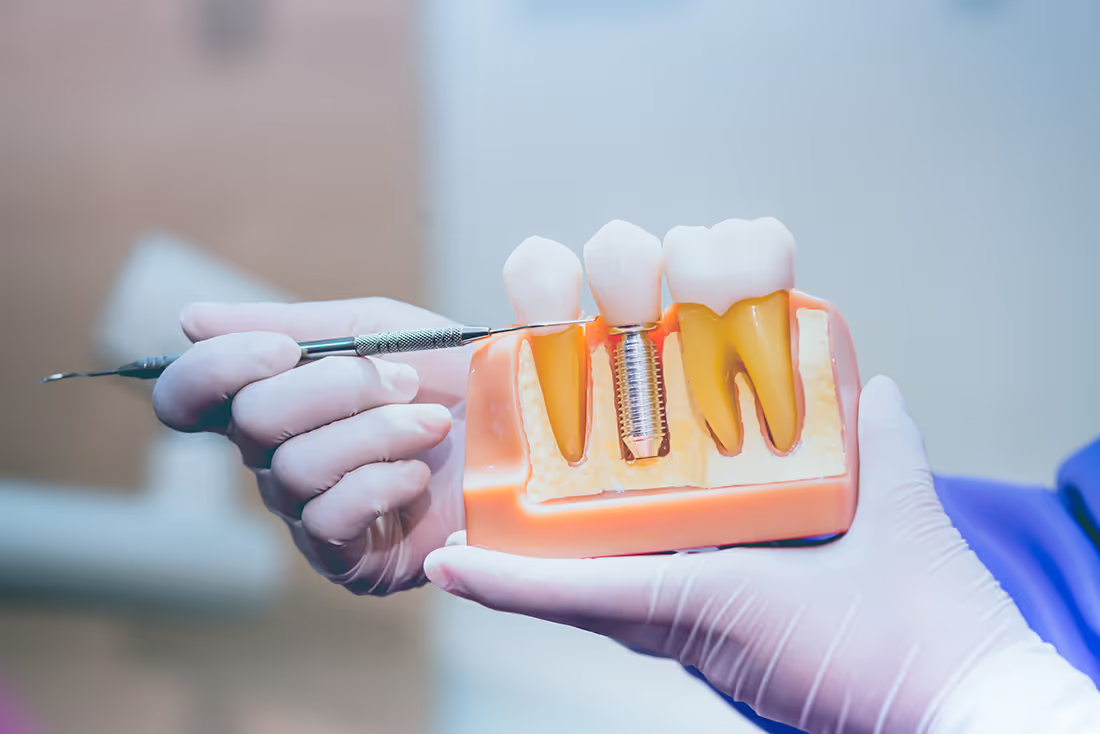
Rebuilding thin or short bone gives an implant the solid foundation it needs, even if you were told before that you weren't a candidate.
Preserves Your Facial Shape
Restoring lost bone helps support your lips and cheeks, preventing the sunken look that comes with bone loss.
Better Long-Term Results
An implant placed in healthy, well-shaped bone sits in the right position, looks more natural, and is set up to last.
Our Greensboro Bone Grafting Process

Exam and Imaging
Dr. Locklear measures the height and width of your jawbone with x-rays and explains whether a graft is needed and what type will work best.

Graft Placement
After numbing the area, the graft material is placed where bone is missing, often right after an extraction, and the gum is closed over it to protect it.
Healing and Implant
Over the next few months, your body grows new bone into the graft. Once it's solid, we check the site and move forward with your implant.
Before & Afters
A smile is worth 1,000 words.
Frequently Asked Questions
Do I always need a bone graft before an implant?

No. Many people have plenty of bone for an implant. A graft is only recommended when imaging shows the bone is too thin or short to support one safely. If you've recently lost a tooth, replacing it sooner can sometimes avoid the need for a graft altogether.
Where does the graft material come from?
Graft material can come from your own body, from a human donor, from an animal source, or from a synthetic material. Donor and animal-derived materials are carefully processed and sterilized for safety. Dr. Locklear will explain which type he recommends for your situation and why.
How long does a bone graft take to heal?
The gums usually feel comfortable within a week or two. The bone itself takes longer, typically a few months, to mature enough to support an implant. Smaller grafts placed at the time of an extraction often heal faster than larger rebuilds.
Does a dental bone graft hurt?
The area is fully numbed, so most people feel pressure rather than pain during the procedure. Afterward, expect some soreness and mild swelling for a few days, which over-the-counter pain relievers and cold packs usually handle well.