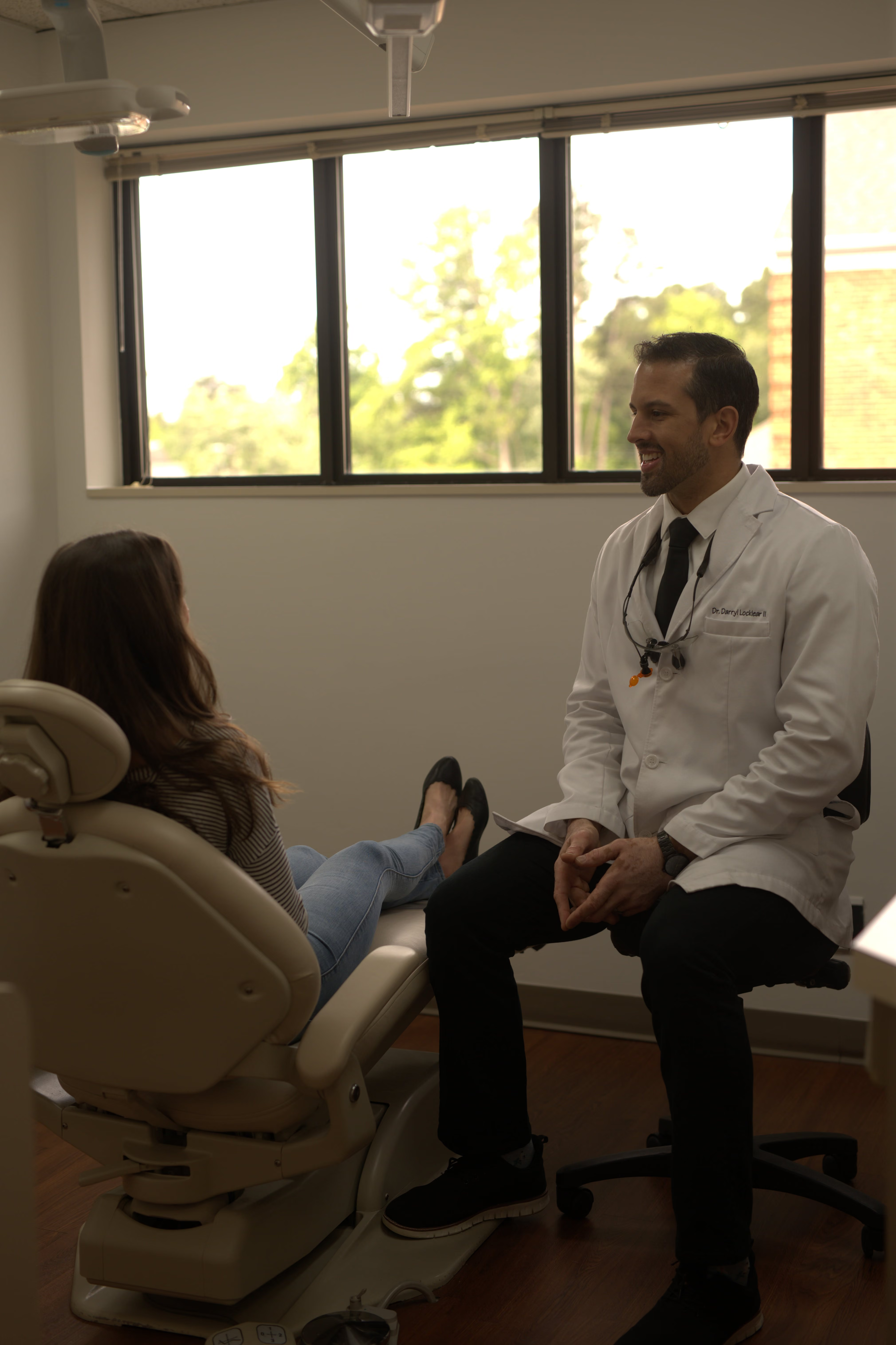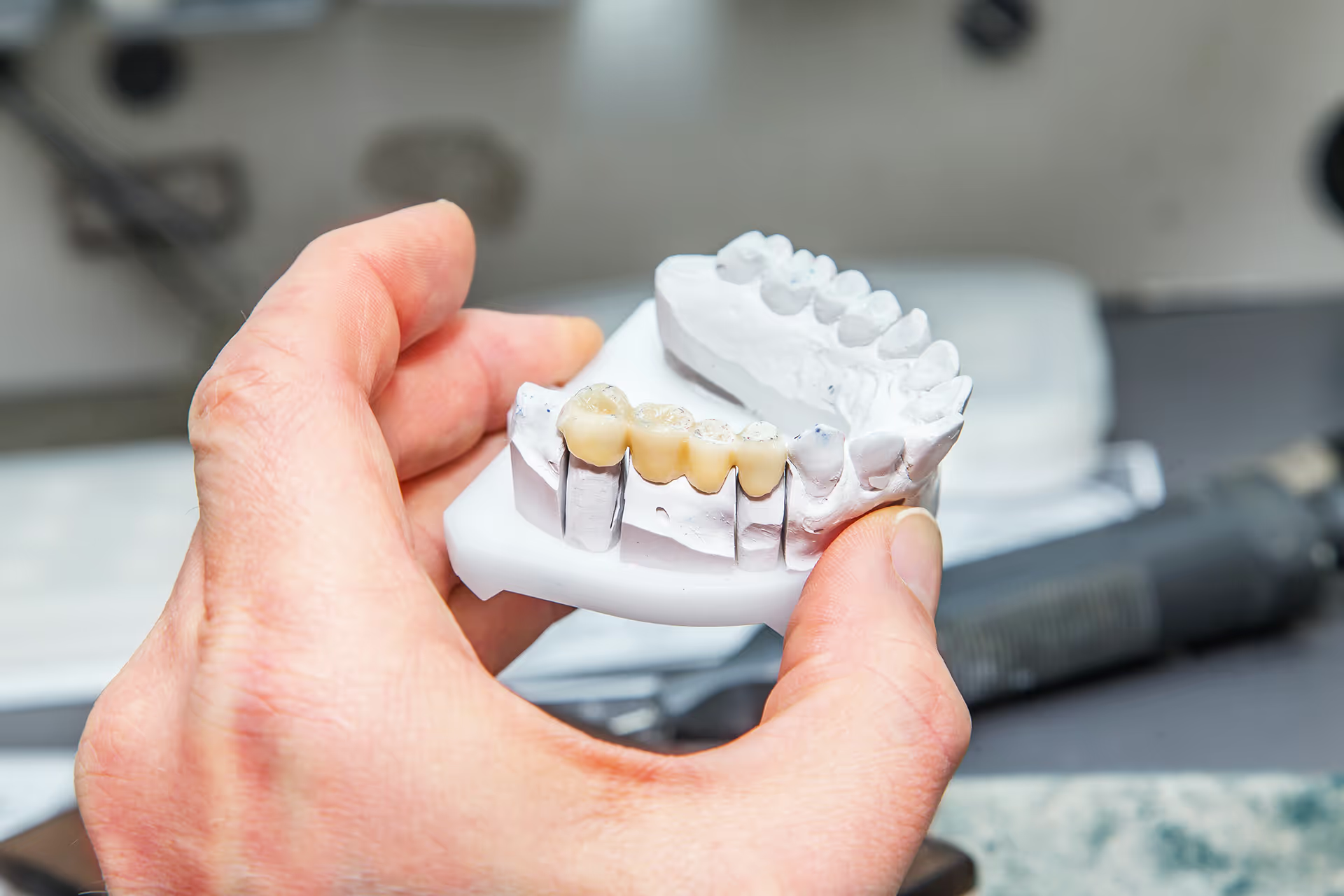
A missing tooth does more than leave a gap in your smile. It changes how you chew, how your bite comes together, and over time it lets the teeth around it drift out of place. A dental bridge at Locklear Dentistry fills that space with a natural-looking, fixed replacement tooth, so you can eat, speak, and smile without thinking twice. If you are missing one or more teeth in a row, let us walk you through whether a bridge is the right fit for your mouth.
.png)
.webp)
.webp)
Did you know…

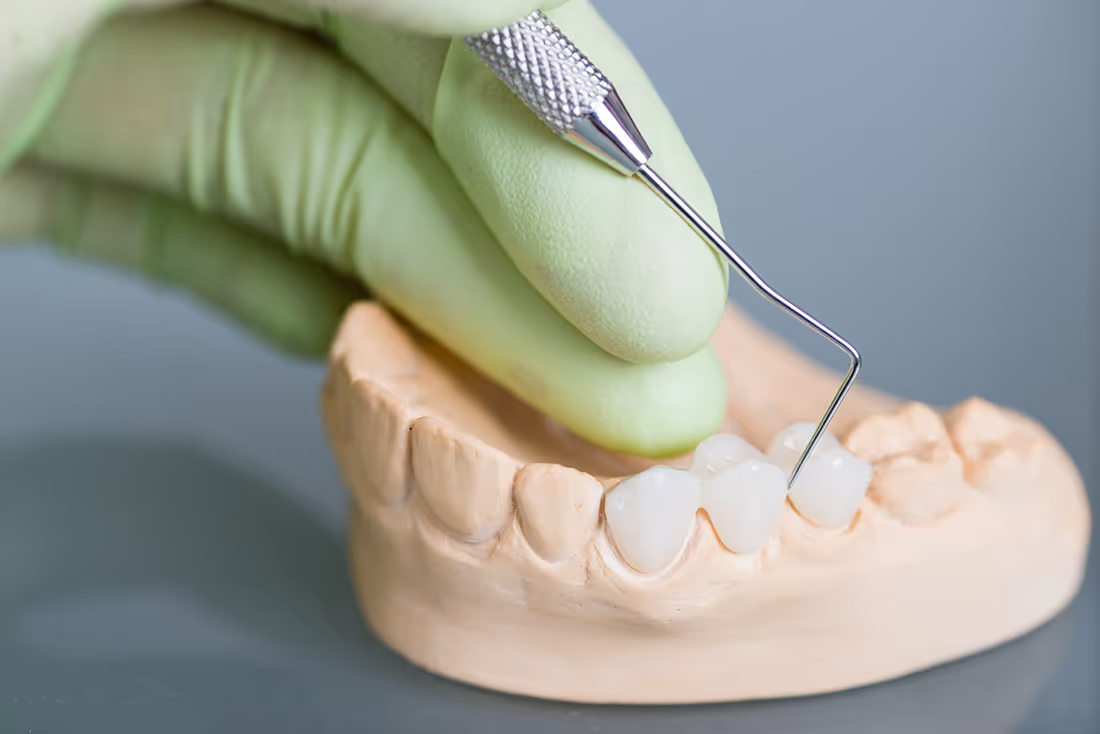
A single missing tooth can cause the teeth around it to shift within just a few months, which is why dentists generally recommend replacing a missing tooth sooner rather than later.

Your Care, Your Terms
You deserve affordable, accessible care. That’s why we provide a variety of flexible financing options to meet your unique needs. Ready to work out a budgeting plan? Reach out to our team to get the conversation started.
The Benefits of Dental Bridges
The Dental Bridge Treatment Process
Before & Afters
A smile is worth 1,000 words.